
NAVIGATION: Registration / Program / Congress Activities / Accommodation
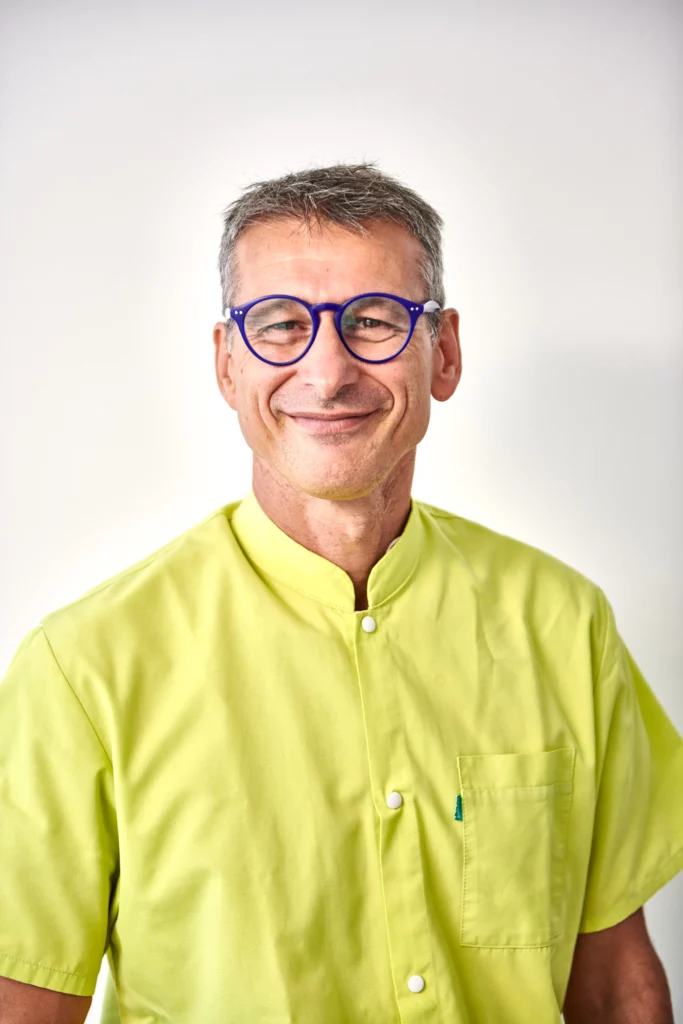
Faced with environmental challenges, we can either wait for the inevitable negative effects and hope they impact us as little as possible, or we can take ownership of the issue and each become an agent of change.
To this end, I propose a 10-point eco-responsible approach:
Get involved and train
Evaluate yourself
Move
Accommodation
Managing IT
Medical devices
The purchases
Chemicals
Throw
Eco-friendly care
With adaptation and animation as the central theme: adaptation and animation
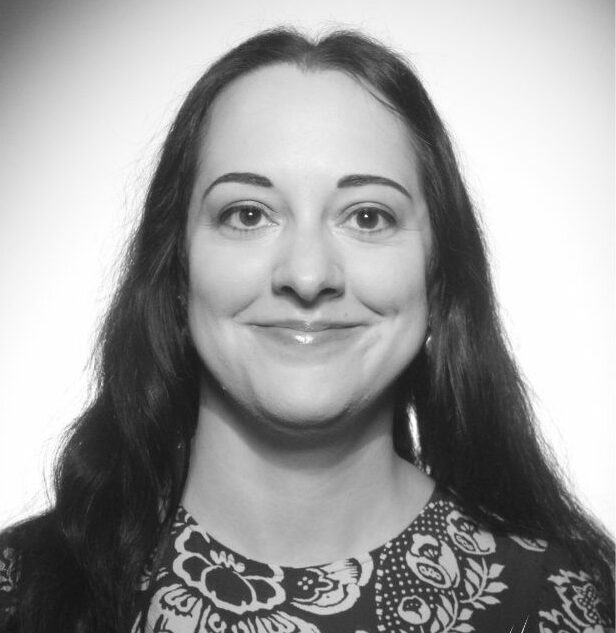
Orthodontists use numerous devices which, once placed in our patients' mouths, are subjected to thermal, mechanical, chemical, and microbiological stresses.
This inevitably leads to the degradation of our orthodontic appliances, raising the question of a possible release of chemical substances.
Among these substances, bisphenol A (BPA), which is involved in one way or another in the synthesis of certain resin-based orthodontic devices (bonding composites and associated adhesive systems, brackets or even retention trays and aligners), is recognized as an endocrine disruptor.
This is why it has been the focus of attention in recent years regarding its biological effects and toxicity on the body, particularly on the at-risk population (children, adolescents, pregnant women).
Since orthodontic treatments primarily concern children, adolescents, and young adults, it is important to know and take into account the potential harmful effects of the orthodontic devices we use, particularly regarding the presence of bisphenol A.
The objective of this presentation will be to review the data from recent literature on the release of toxic substances by our resin-based orthodontic materials and to formulate clinical recommendations to limit their toxicity.
The medicalization of our profession is a major issue, but it is not a school of thought or a fad!
Understanding orthodontics means understanding malocclusions, their implementation, and the successes and failures of our orthodontic treatments, which may or may not be multidisciplinary.
Occlusal reading alone then seems limited if we consider the functions of mastication, swallowing, ventilation and the posture of our patients.
Neuromuscular orthodontics (ONM™) then takes on its full meaning.
The precision of the diagnosis through the study of dental, muscular and joint dynamics allows us to understand the maturation of occlusion and the ailments mentioned during consultations in the office.
Balance and physiological proprioception in orofacial functions are the objectives of our treatments.
Through the reading of occlusal dynamics and electromyographic studies, the balance of the components of the articulo-musculo-dental system is understood and sought.
These diagnostic tools allow orthodontists and dentists to become occlusodontists of neuromuscular dynamics.
At a time when the health and environmental effects of certain materials used in orthodontics are better identified, the ethics of care require reflection on our practices.
This conference explores the links between clinical choices, professional responsibility, and environmental impact. It proposes avenues for more informed and sustainable orthodontics.
Through accessible and contemporary reflection, this book invites us to confront the absurd in order to find creative and authentic freedom.
Because if life may not have a predetermined meaning, it is a tremendous opportunity to create it for oneself.
Orthodontics plays a key role in periodontal health, with effects that are often beneficial but sometimes detrimental. For example, it can improve oral hygiene by correcting malpositions, or restore function following secondary migrations, a frequent consequence of periodontal disease.
However, uncontrolled movements or inadequate retention can lead to gingival recession and periodontal complications.
A multidisciplinary approach is essential to maximize benefits while minimizing risks to the supporting tissues of the teeth.
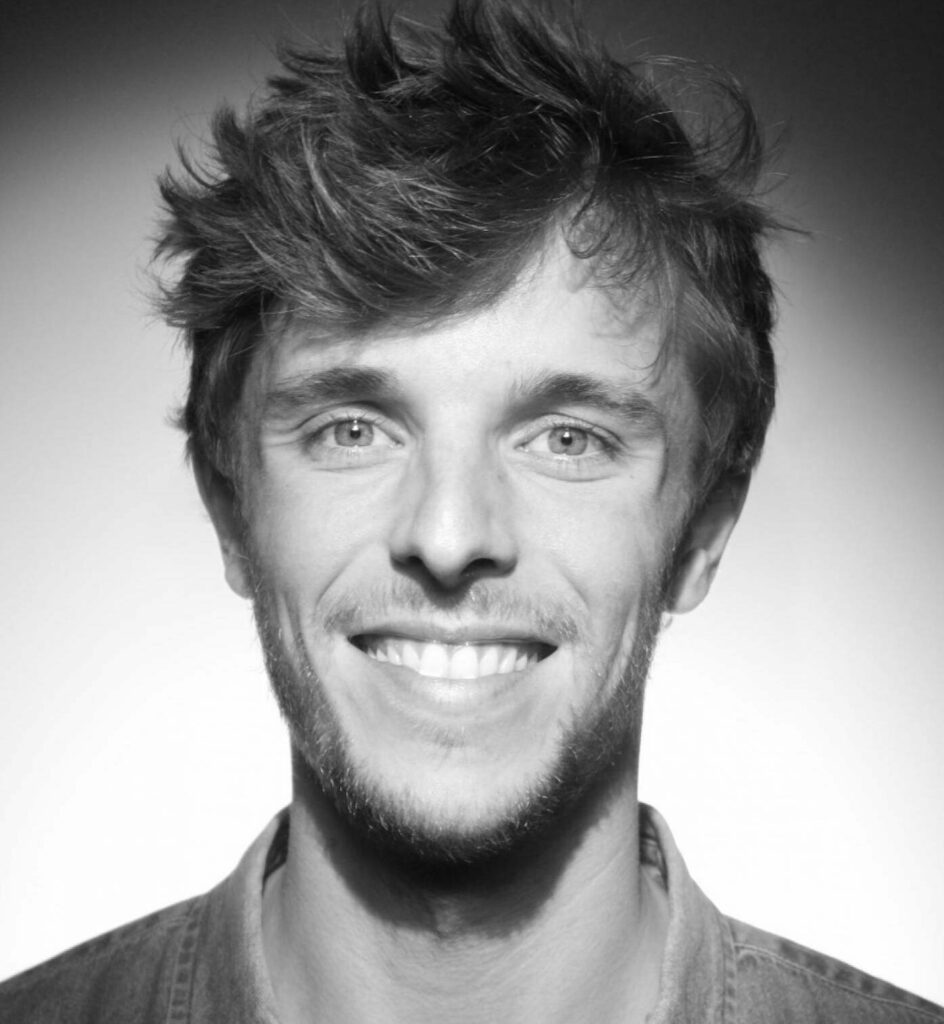
Where do our impacts come from, and what are our levers for action in the short, medium and long term? This presentation, conceived as a discussion between Dr Pastwa and Dr Oosthoek, will attempt to stimulate reflection on the decarbonization of our activity, and more broadly on what the transition to a more sustainable practice implies.
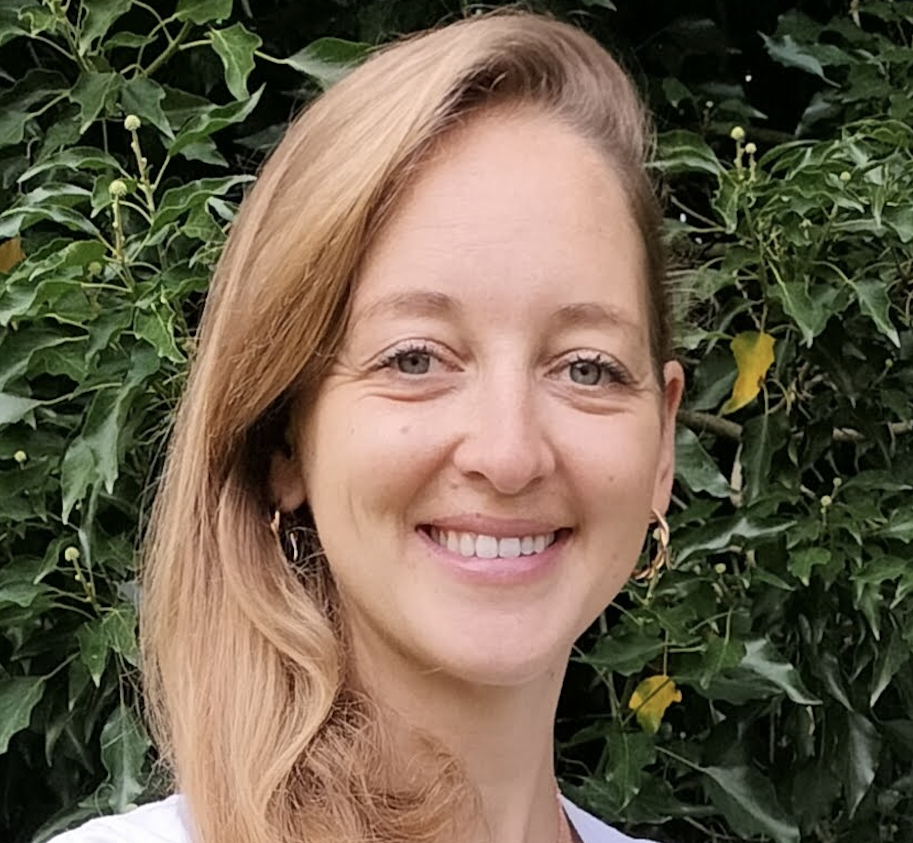
In the face of the climate challenge, general and specialist dentists must integrate measures into their daily practice to reduce the environmental impact of their offices. However, little data exists on the challenges of the ecological transition in dentistry.
Justin Oosthoek, a specialist in dentofacial orthopedics and consultant in a low-carbon transition research office, will bring a scientific approach to the subject while Elise Pastwa, also a specialist, will try to draw concrete applications to be implemented in the dental practice, while guaranteeing the quality of care and a healthy working environment for staff and patients.
The goal of a removal protocol is to ensure the complete removal of the composite resin without damaging the enamel surface. A systematic review was conducted to analyze the impact of orthodontic removal on the enamel surface.
Introduction:
Orthodontics is at a fascinating crossroads: never before have so many technological tools
been available to explore, diagnose, plan, and simulate treatments.
Yet, some precise and effective clinical devices, such as lingual braces
, are gradually disappearing from the therapeutic landscape.
The technological explosion: promises and limitations.
Technological orthodontics… to the point of frenzy and intoxication!
Advanced 3D imaging: see everything. Model everything.
CBCT, intraoral scanners, and 3D facial reconstructions have revolutionized
patient visualization.
Digital models allow for the planning of tooth movements with
theoretical micrometer precision.
Artificial intelligence: predict everything. Track everything.
• Assisted diagnosis, automatic segmentation, treatment predictions.
• Generative AI for virtual setup and simulation of aesthetic results.
Aligners, scanners, instant simulations. But....
We face:
• a risk of over-reliance on standardized predictive models.
Do we still understand what our clinical eye detects beyond the
digital model?
• a progressive loss of intuitive clinical ability (perceptual diagnosis,
adaptive reasoning on atypical cases). Do we still see what our hands feel?
The paradox of the decline of direct clinical expertise, which is fading away.
Disappearance of tools:
• multi-lingual braces are being withdrawn from the market due to lack of profits.
• Are ultra-personalized mechanical plans or mechanotherapy disappearing?
Today, we are turning to simplification:
➔ Faster. Simpler. More cost-effective.
➔ But unfortunately less precise for complex cases.
The risks?
Having an orthodontist who simply "follows" predictions... rather than a creator of
personalized treatments.
A technique requiring high mechanical skill, keen clinical judgment, and precise fit in the mouth is being replaced by standardized aligners or appliances that require less daily clinical intervention.
Consequently,
we will have a reduced range of mechanical solutions available to treat complex cases, and fewer personalized options for specific patients, such as certain demanding adult dysmorphoses (TMJ and asymmetry).
The real challenge of tomorrow: Convergence or Resilience.
The true path will be fusion, not submission.
Clinical expertise must guide the machine, not the other way around. Biomechanical intuition remains
irreplaceable and, for the moment, cannot be modeled. Use technology as
an extension of human skills, not as a substitute. Technology must be
a lever, not a GPS or autopilot.
The training of orthodontists , who will need to be able to reason beyond the digital tool and maintain a fine
mechanical and biomechanical remain adaptable to cases that cannot be standardized by digital simulation and AI.
Conclusion:
The orthodontics of tomorrow will not be defined by the sheer number of robots or scanners,
but by the intelligent combination of clinical intuition, biomechanical rigor
, and digital power.
The challenge is not to constantly add more technology, but to remain an orthodontist
in a world of machines.
In summary:
"Tomorrow's orthodontics will not be 100% digital; it will be 100% augmented by
human intervention."
"The more you see in 3D, the more you must think in terms of dimensions."
"Mastering technology without sacrificing clinical skill."
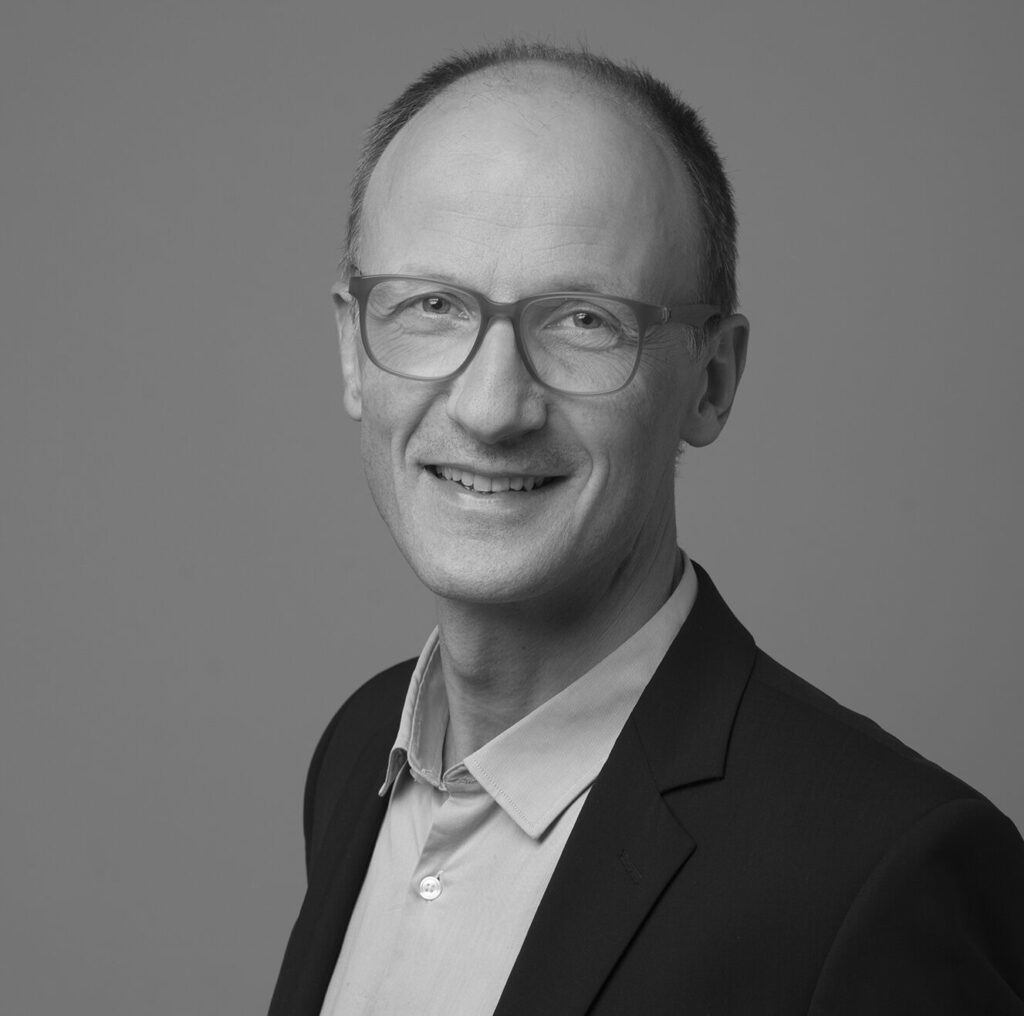
The practice of our profession as orthodontists has a significant environmental impact. Ignoring this aspect is hardly acceptable today, and the purpose of this conference is to propose and explain a replicable ecological project that minimizes this impact while involving the team and patients.
Introduction: Endocrine disruptors are xenobiotics discovered thanks to the development of organic and inorganic chemistry from the mid-18th century onward. They are ubiquitous and largely responsible for the exponential increase in so-called chronic diseases. Furthermore, they possess surprising and unique toxicological characteristics that necessitate a thorough understanding and recognition of them in order to implement effective prevention strategies
I will take this opportunity to show you, in case you need it, if there are any in the course of your profession...
Aesthetic expectations are increasing, particularly towards the end of orthodontic treatment.
Our patients find it difficult to accept discrepancies in shape, color, or symmetry after spending many months, or even years, with the orthodontist.
Preservative dentistry, based on adhesion, effectively addresses these end-of-treatment concerns by adapting to the patient's age.
This aesthetic dentistry is now a valuable aid in completing orthodontic treatments thanks to techniques such as injected composites, veneers, cantilever bridges, stain removal through erosion, whitening, and more.
The aim of this conference is to explain, through numerous clinical videos, the contribution of these aesthetic preservation techniques in the finishing of orthodontic treatments.

Our profession and eco-responsibility
Summary to come
University Hospital Practitioner in Dentofacial Orthopedics
Toxicity of resin-based orthodontic materials:
current data and clinical recommendations
Orthodontists use numerous devices which, once placed in our patients' mouths, are subjected to thermal, mechanical, chemical, and microbiological stresses.
This inevitably leads to the degradation of our orthodontic appliances, raising the question of a possible release of chemical substances.
Among these substances, bisphenol A (BPA), which is used in one way or another in the synthesis of certain resin-based orthodontic devices (bonding composites and associated adhesive systems, brackets, and retainers and aligners), is recognized as an endocrine disruptor. This is why it has been the focus of attention in recent years regarding its biological effects and toxicity on the body, particularly on at-risk populations (children, adolescents, and pregnant women).
Since orthodontic treatments primarily concern children, adolescents, and young adults, it is important to know and take into account the potential harmful effects of the orthodontic devices we use, particularly regarding the presence of bisphenol A.
The objective of this presentation will be to review the data from recent literature on the release of toxic substances by our resin-based orthodontic materials and to formulate clinical recommendations to limit their toxicity.
Multiple chemical syndrome (video)
Summary to come
Medical Orthodontics
The medicalization of our profession is a major issue, but it is not a school of thought or a fad!
Understanding orthodontics means understanding malocclusions, their implementation, and the successes and failures of our orthodontic treatments, which may or may not be multidisciplinary.
Occlusal reading alone then seems limited if we consider the functions of mastication, swallowing, ventilation and the posture of our patients.
Neuromuscular orthodontics (ONM™) then takes on its full meaning.
The precision of the diagnosis through the study of dental, muscular and joint dynamics allows us to understand the maturation of occlusion and the ailments mentioned during consultations in the office.
Balance and physiological proprioception in orofacial functions are the objectives of our treatments.
Through the reading of occlusal dynamics and electromyographic studies, the balance of the components of the articulo-musculo-dental system is understood and sought.
These diagnostic tools allow orthodontists and dentists to become occlusodontists of neuromuscular dynamics.
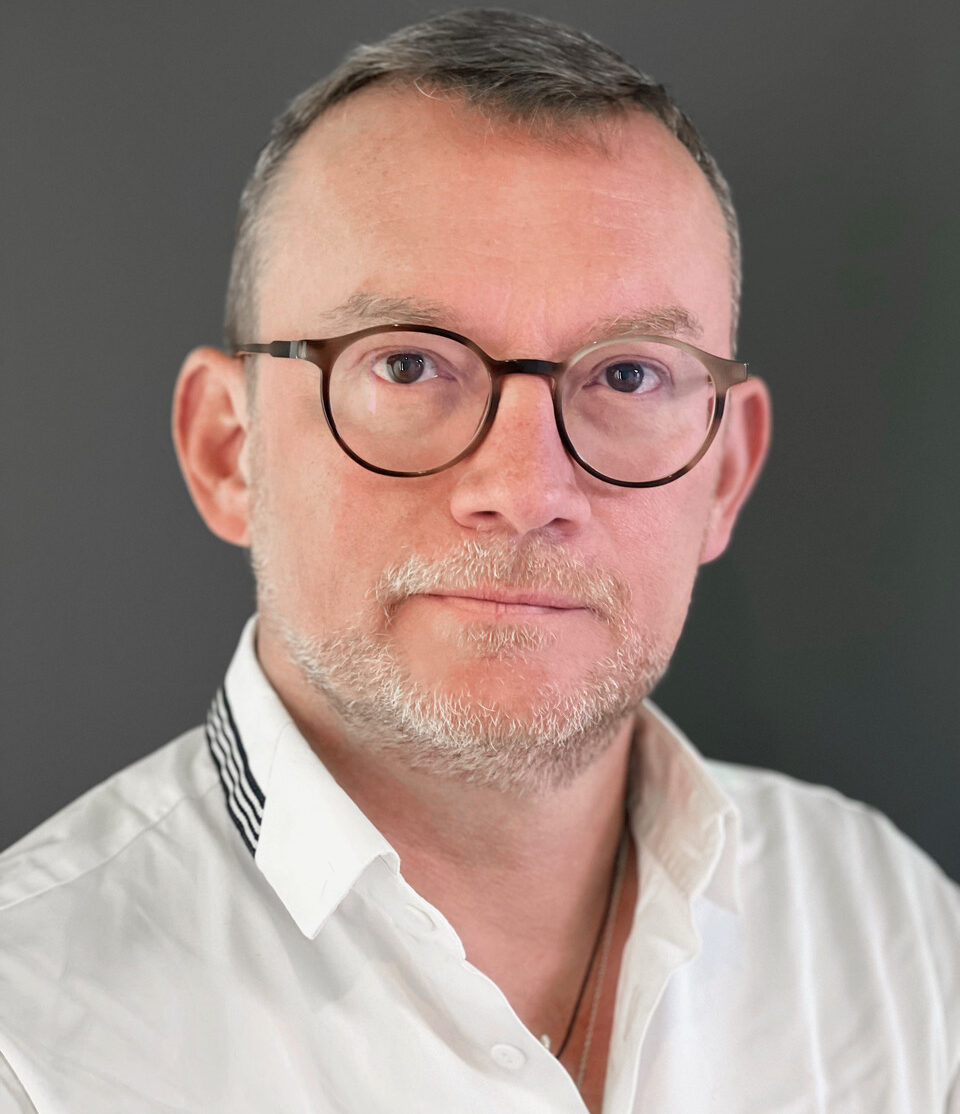
Ethics, health and the environment: can we still ignore what we know?
At a time when the health and environmental effects of certain materials used in orthodontics are better identified, the ethics of care require reflection on our practices.
This conference explores the links between clinical choices, professional responsibility, and environmental impact. It proposes avenues for more informed and sustainable orthodontics.
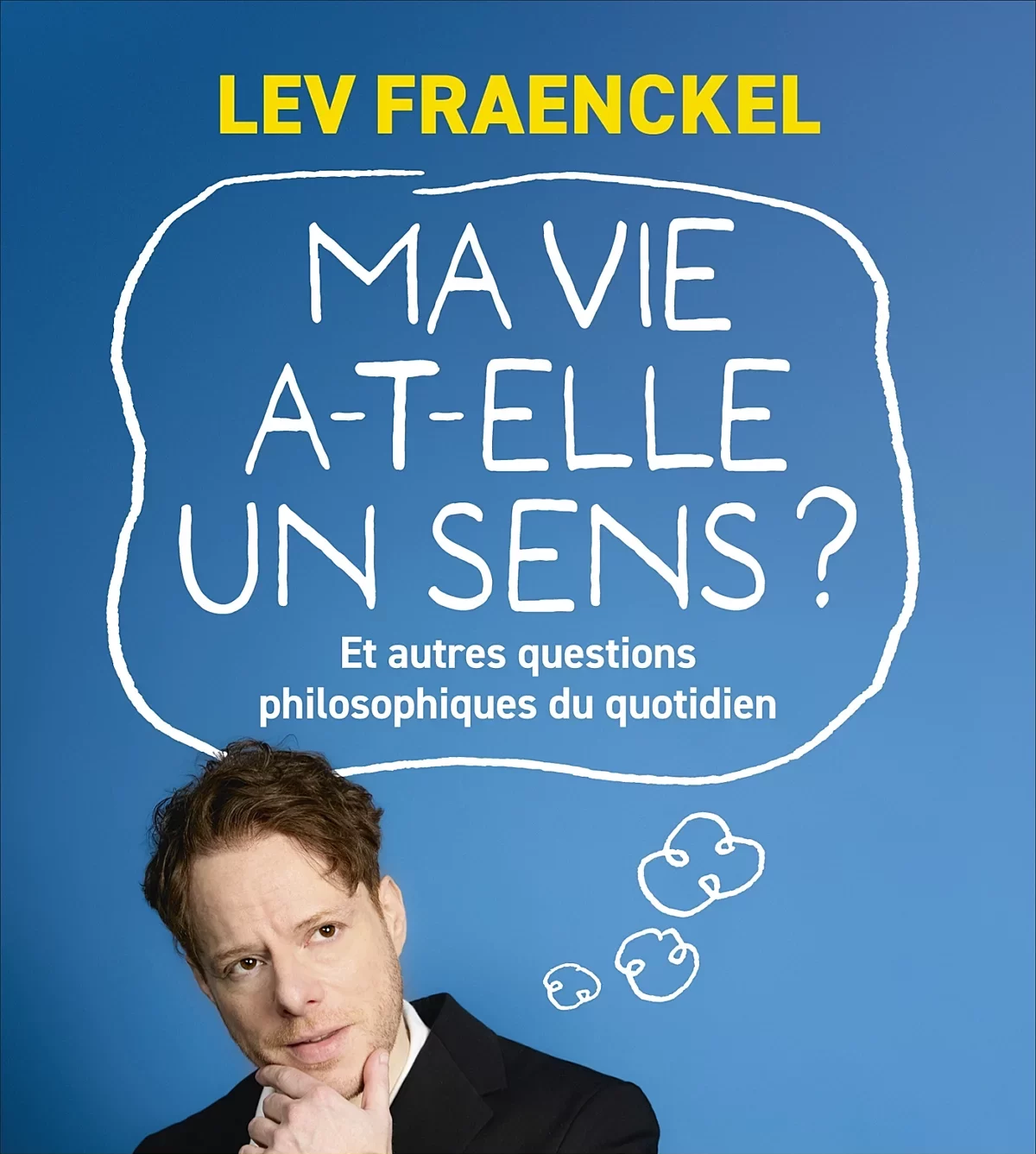
Serial_thinker_tiktok (300k TikTok)
The meaning of life
Through accessible and contemporary reflection, this book invites us to confront the absurd in order to find creative and authentic freedom. For while life may not have a predetermined meaning, it is a wonderful opportunity to create it for ourselves.
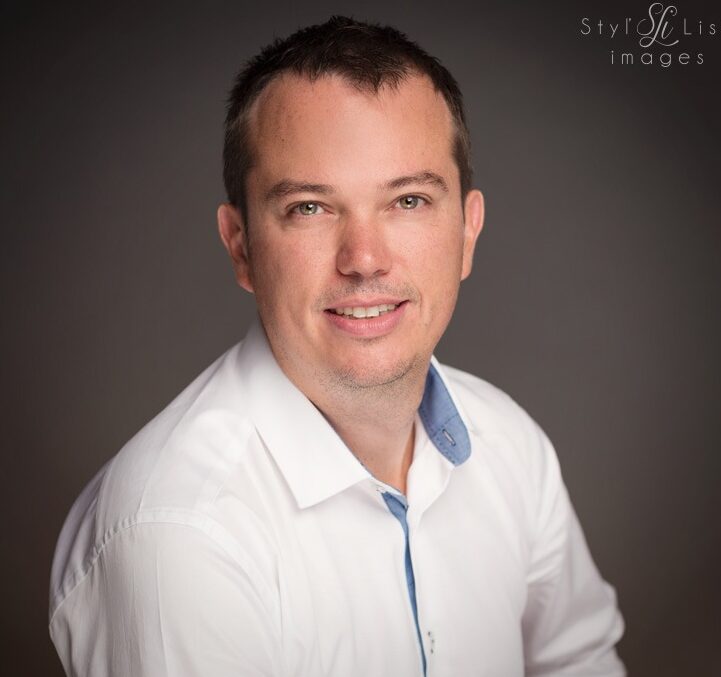
Orthodontics and Periodontics: Allies or Adversaries?
Orthodontics plays a key role in periodontal health, with effects that are often beneficial but sometimes detrimental. For example, it can improve oral hygiene by correcting malpositions or restore function following secondary migration, a frequent consequence of periodontal disease. However, uncontrolled tooth movement or inadequate retention can lead to gum recession and periodontal complications. A multidisciplinary approach is essential to maximize benefits while minimizing risks to the supporting tissues of the teeth.

SQODF & consultant in a consulting firm specializing in the low-carbon transition
Towards a low-carbon office: issues and solutions
Where do our impacts come from, and what are our levers for action in the short, medium and long term? This presentation, conceived as a discussion between Dr Pastwa and Dr Oosthoek, will attempt to stimulate reflection on the decarbonization of our activity, and more broadly on what the transition to a more sustainable practice implies.
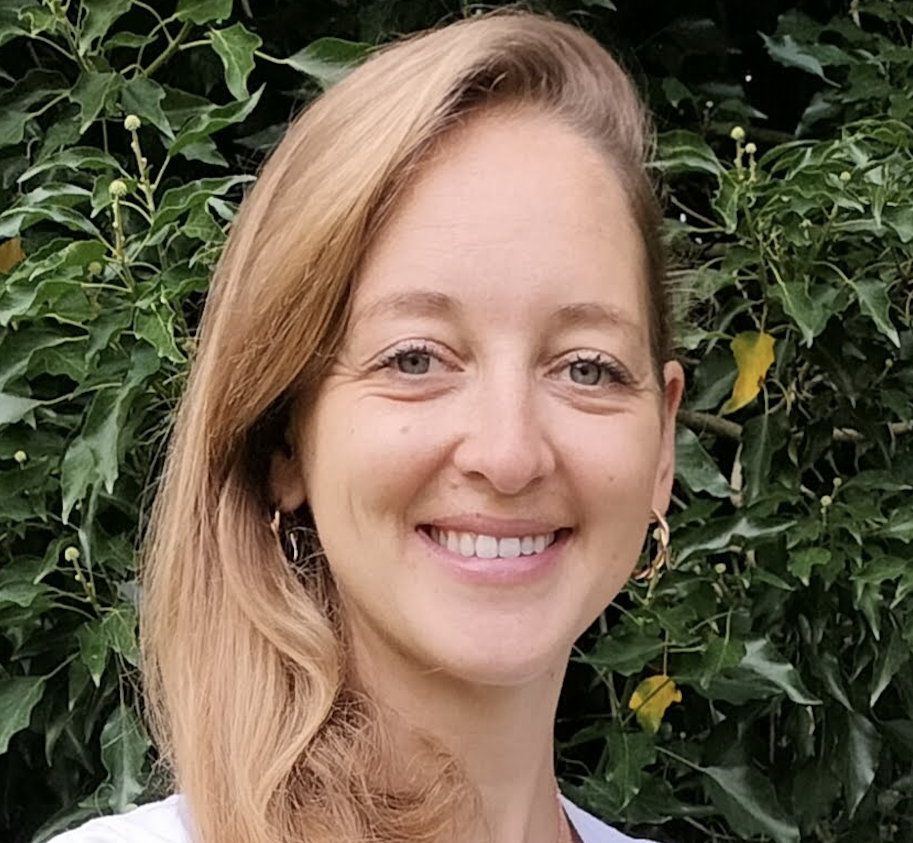
Doctor of Dental Surgery – Specialist in Dentofacial Orthopedics – Former Intern at the Hospices Civils de Lyon – University Diploma in Medical Law – Faculty of Law, University of Lorraine
1. Towards eco-responsibility in the practice: issues/solutions (joint conference with Dr. Justin Oostoek)
In the face of the climate challenge, general and specialist dentists must integrate measures into their daily practice to reduce the environmental impact of their offices. However, little data exists on the challenges of the ecological transition in dentistry.
2. Removal of orthodontic brackets and integrity of the enamel surface
The goal of a removal protocol is to ensure the complete removal of the composite resin without damaging the enamel surface. A systematic review was conducted to analyze the impact of orthodontic removal on the enamel surface.
The orthodontics of tomorrow / fixed braces versus aligners
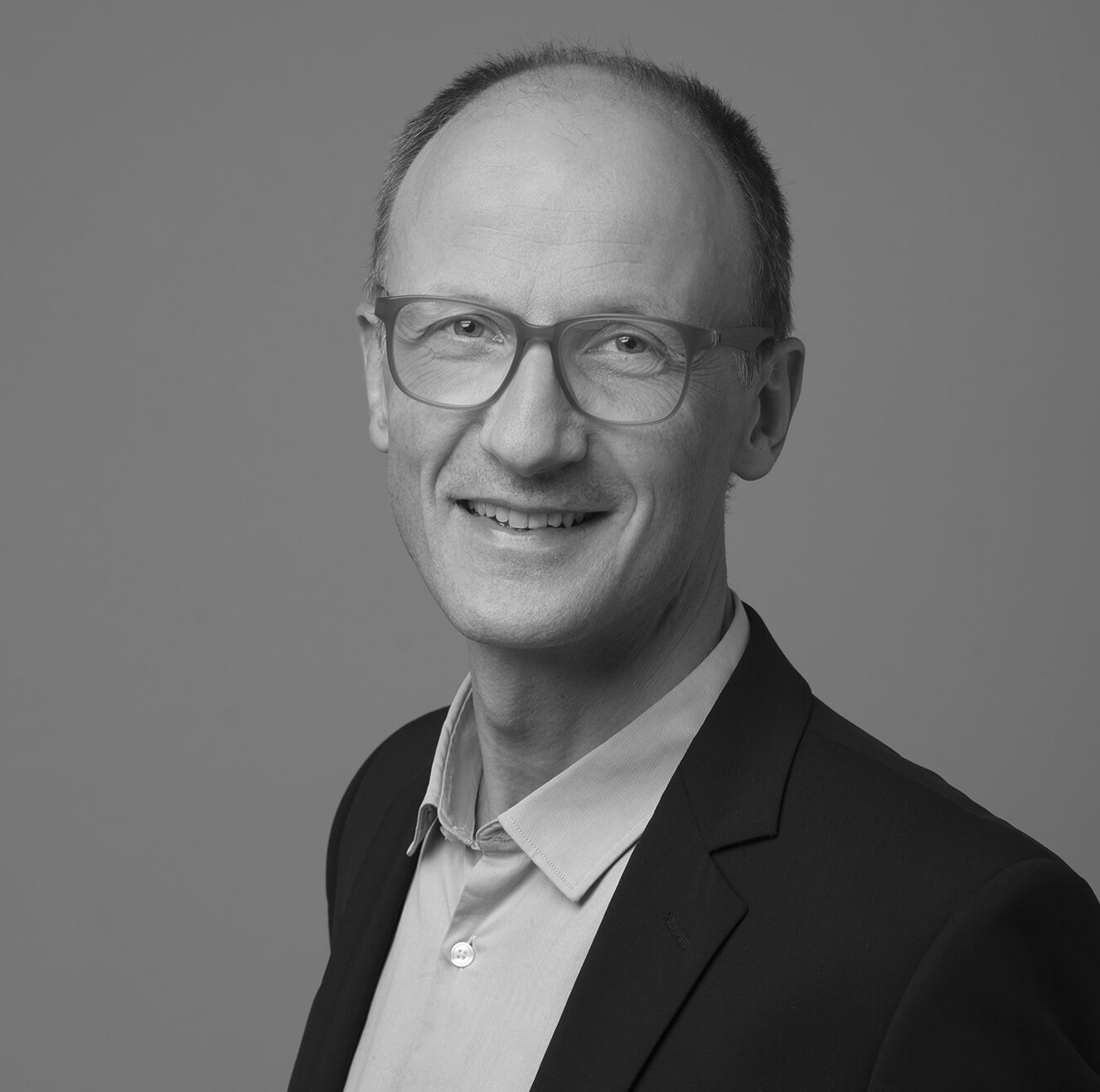
How to involve patients in an eco-responsible approach to try to understand their ecological impact
The practice of our profession as orthodontists has a significant environmental impact.
Ignoring this aspect is hardly acceptable today, and the whole point of this conference is to try to propose and explain a replicable ecological project, allowing us to minimize this impact while involving our team and our own patients.
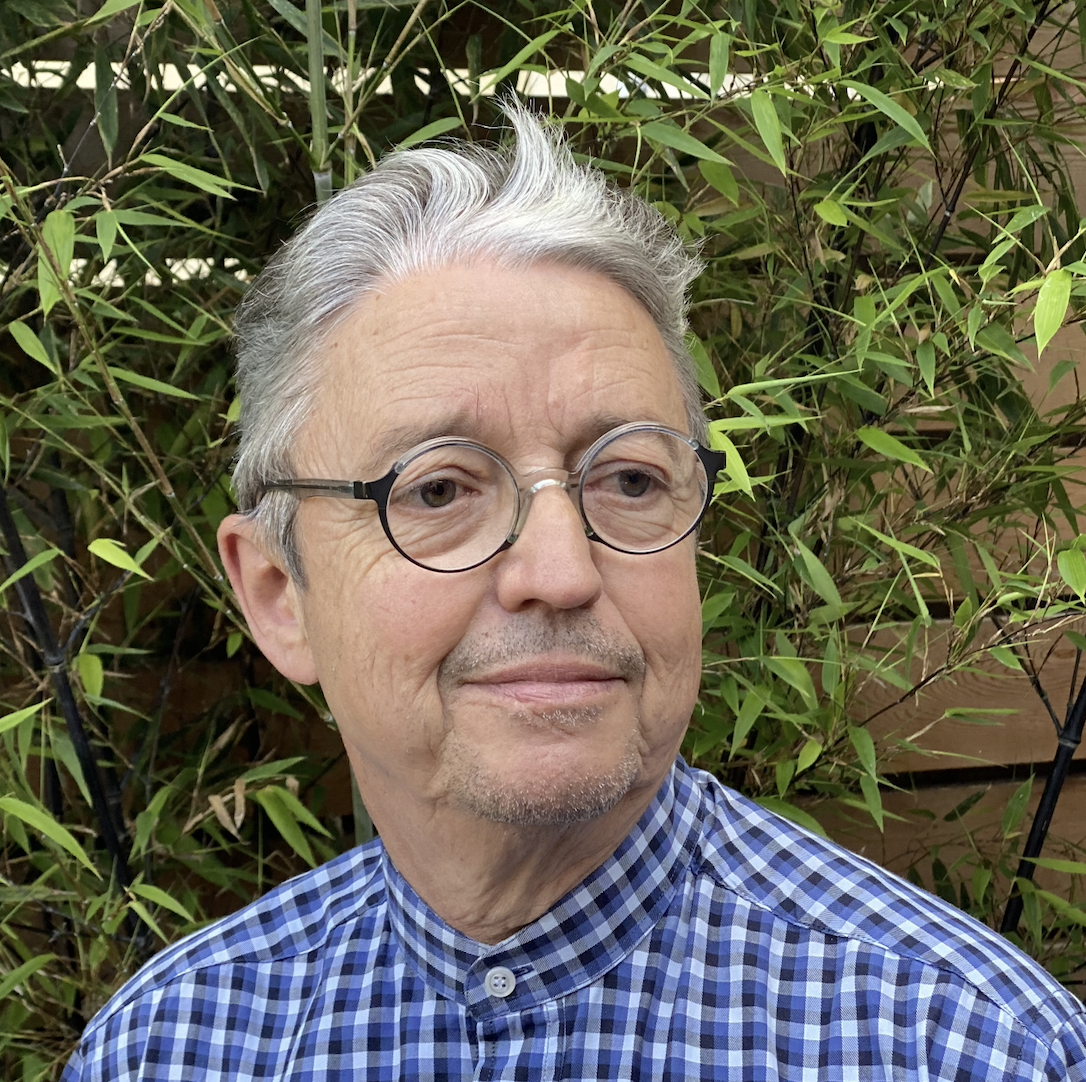
Academic Director of the "University Diploma in Environmental Medicine" (DUME), Henri Mondor University Hospital, Faculty of Medicine Paris/Créteil.
Endocrine disruptors: what are the health risks?
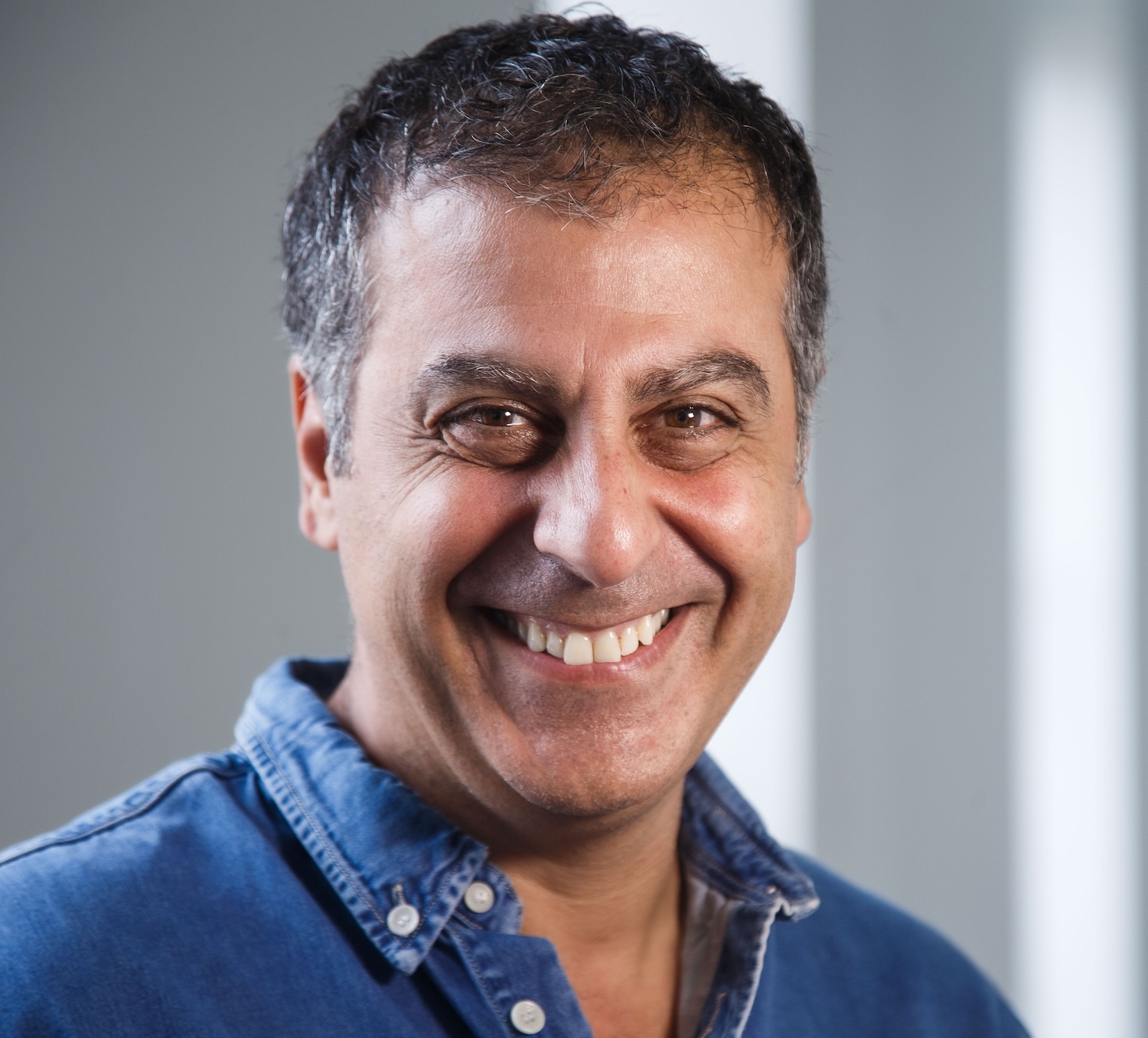
University lecturer in the Department of Conservative Dentistry – Endodontics at the Faculty of Dental Surgery in Strasbourg -
Academic coordinator of the University Diploma in Smile Aesthetics in Strasbourg
How to treat leukemia or white spot
Aesthetic expectations are increasing, particularly at the end of orthodontic treatment.
Our patients often find it difficult to accept discrepancies in shape, color, or symmetry after spending many months, or even years, with the orthodontist.
Preservative dentistry, based on adhesion, effectively addresses these end-of-treatment concerns by adapting to the patient's age.
This aesthetic dentistry is now a valuable aid in completing orthodontic treatments thanks to techniques such as injected composites, veneers, cantilever bridges, stain removal through erosion, whitening, and more.
This conference aims to explain, through numerous clinical videos, the contribution of these aesthetically pleasing, preservative techniques to the completion of orthodontic treatments.